2022 Program

Australasian Association of Bioethics & Health Law

Conference Program

Thursday 17th –  Saturday 19th November 2022

The program below is provisional and subject to change. Please check back regularly for updates.


Thursday, 17th November 2022

0700 – 0800

Registration
Foyer, Hobart Function and Conference Centre 

0800 – 1030
 OPENING PLENARY SESSION
Sovereign Room
Streamed Live
CHAIR: Bernadette Richards
0800 – 0830
Welcome to Country |  Alison Overeem
Official Opening | Lieutenant Governor, The Honourable  Justice Alan Blow AO
Welcome to Delegates | Rebekah McWhirter and Lisa Eckstein
2022 AABHL Conference Convenors
0830 – 0930 Keynote Presentation
Ted Dove
Reader In Health Law And Regulation At The School Of Law, University
Of Edinburgh
Research Ethics
0930 – 0935 Move to concurrent rooms 
  Sovereign Room  Marina Room Gretel Room
RAPID-FIRE PRESENTATIONS 1.0

Streamed Live

RAPID-FIRE PRESENTATIONS 1.1

Sessions Recorded

RAPID-FIRE PRESENTATIONS 1.2

Sessions Recorded

CHAIR Anne Preisz Wendy Lipworth Megan Prictor
0935 – 0940 Can improving the health of youth offenders reduce the risk of reoffending? A preliminary study from Queensland
Sam Boyle
Australian Citizens’ Jury on Genome Editing
Dianne Nicol
Do we need ‘more law’ to address the problem of ethical debt in use of big health data? – an exploration of the fiduciary model in health data governance
Minna Paltiel, Bernadette Richards
0940 – 0945 Can a Court Offer an ‘Objective’ Evaluation of Best Interests on Behalf of a Child?
Imogen Goold
Rapid genome sequencing and the limits of informed consent
Christopher Gyngell
The emerging European Union regulatory framework on secondary uses of health data: what will change?
Mahsa Shabani
0945 – 0950 SESLHD Clinical Ethics IPU Decision Making matrix: A Clinical Ethics tool to assist local Drug and Therapeutic Committees in decision making around high cost medicines for individual patient use
Linda Sheahan 
An Evolving Ethics in the Era of Consumer Genomics
Jacqueline Savard
Exploring the concept of a data trust in the health research context: suitability, desirability and considerations for translation of theory into practice.
Jessica Bell
0950 – 0955 The National Quality Framework for Alcohol and Other Drug Treatment Services in Australia: The Challenges of a Dual Approach to Monitoring and Enforcement
Simone Henriksen
Making good on the promise of genomics: the question of routine reanalysis
Gabriel Watts
Sharing health and social welfare data across jurisdictions and institutions in Australia: A scoping review protocol
James Scheibner, Luke Wakefield
0955 – 1000 Therapeutic Goods Administration: A toothless tiger in the regulatory jungle?

Aminath Ali Mariya 

From cell transplants to genome edits: Regulation and bioethics of existing and emerging interventions for sickle-cell disease
Christopher Rudge
A review of physicians’ experiences of assisted dying

Laura Ley Greaves

1000 – 1010 Rapid-Fire Q&A Rapid-Fire Q&A Rapid-Fire Q&A 
1010 – 1040

MORNING TEA

1040 – 1215

CONCURRENT SESSIONS

Sovereign Room  Marina Room Gretel Room
  PANEL PRESENTATION 1.0

Streamed Live

ORAL PRESENTATIONS 1.0

Sessions Recorded

ORAL PRESENTATIONS 1.1

Sessions Recorded

CHAIR Michael Dunn Cynthia Forlini Tess Whitton
1040 – 1100 Delineating empirical bioethics approaches: integrating questions and questioning integration

A/Prof Michael Dunn, Centre for Biomedical Ethics, National University of Singapore,

with a panel comprising: Prof Jackie Leach Scully, Dr Jane Williams, Dr Jacqueline Savard

Reproductive deliberation: Supporting parents’ autonomous decision-making in prenatal genetic counselling
Chanelle Warton
Walking the Talk? Comparing Proposed and Actual Research Dissemination Activities at a regional teaching hospital
Stella Gwini
1100 – 1120 Rationalizing IRBs: Practical Implications of a Public Justification Requirement
Muralidharan Anantharaman
Testing Commons-Based Models for the Future of Research and Therapeutics in Australian Stem Cell Research
Rachel Ankeny, Dianne Nicol
1120 – 1140 Public trust in genomic data sharing: uncertainty, control, and waivers of consent
Vanessa Warren
Are patients and caregivers regulatory actors? A qualitative study of their role in regulating VAD in Victoria, Australia
Ruthie Jeanneret
  “I don’t think it’s a black and white issue”: Australian public perspectives on genomic data storage and sharing
Danya Vears
RAPID-FIRE PRESENTATIONS 1.3
 1140 – 1145 Assisted Dying Services in Aotearoa New Zealand: Challenges and lessons learnt
Rob McHawk
1145 – 1150 Early experiences of voluntary assisted dying in Western Australia: reflections from key stakeholders
Casey Haining
1150 – 1155 End-of-life decision-making in ED and ICU in Queensland, and the law: Results of a retrospective chart audit
Jayne Hewitt
1155 – 1200 Six Peas in a Pod? Similarities and Differences between Voluntary Assisted Dying Laws in the Australian States
Katrine Del Villar
1200 – 1205 How is Religious Based Objection to Voluntary Assisted Dying Protected in Australia?
Michaela Okninski
1205 – 1215  Buffer/ Q&A Quick Fire Q&A
1215 – 1330
LUNCH
1330-1500

CONCURRENT SESSIONS

Sovereign Room  Marina Room Gretel Room

 
ORAL PRESENTATIONS 1.2
Streamed Live
ORAL PRESENTATIONS 1.3
Sessions Recorded
PANEL PRESENTATION 1.1
Sessions Recorded
Julian Koplin and Craig Stanbury
Increasing Impact
Ainsley Newson, Chris Gyngell, Jane Williams


CHAIR Tamra Lysaght Stacy Carter
1330 – 1350 Max Charlesworth Student Essay Winner
Serene Ong
From rights to responsibilities: concerning the ethical issues of familial risk disclosure
Connecting the ‘old’ and ‘new in litigating medical disputes: The traditional approach of medical negligence and the emerging use of the Australian Consumer Law
Joel Grieger
1350 – 1410 Max Charlesworth Student Essay Winner
Margaret Palazzo
Autonomy, Altruism and Assent: the Therapeutic Misconception in Early Phase Paediatric Oncology Research
Socio-ecological justice and reimagining just health systems
Bridget Pratt 
 1410 – 1430 Patients recording clinical consultations: results of an Australian survey
Megan Prictor
Research involving potential deceased donors – managing complexities in consent
Dominique Martin

1430 – 1435
The Regulation of Medical Device Representatives: A Question of Trust
Bernadette Richards
RAPID-FIRE PRESENTATIONS 1.4
The legal and ethical implications of using health data for practice reflection
Kavisha Shah
1435 – 1440 Ethics in the Interim: The Ethical Dilemmas of Data Monitoring Committees
Lisa Eckstein
1440 – 1445 Barriers to equitable regional research participation; Time to Harmonise Research Governance
Lisa Fry 
1450 – 1455 Rapid-Fire Q&A  

Rapid-Fire Q&A


1500-1530 AFTERNOON TEA
1530 – 1630
 PLENARY
Sovereign Room

Streamed Live
CHAIR: Bernadette Richards
1530 – 1630
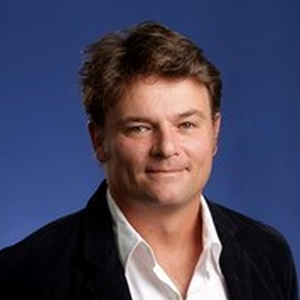
Professor Cameron Stewart
Member of Sydney Health Law and an associate member of Sydney Health Ethics, Sydney Medical School
Kirby Oration
The Daughters of Themsis: Dike, Eunomia and the Problem of Modern Australian Health Law
1800 – 1900

Government House Reception 

Government House Hobart
Registration required. Limited tickets available.


Friday, 18th November 2022

0830 – 0900 Registration
Foyer, Hobart Function and Conference Centre 
0900 – 1030
 OPENING PLENARY SESSION
Sovereign Room
Streamed Live
CHAIR: Rebekah McWhirter
0900 -1030 Welcome to Day 2

Keynote Presentation
Kalinda Griffiths
Scientia Lecturer – Centre for Big Data Research in Health, UNSW

Developing approaches towards an Indigenous Data Governance agenda in health research

This session is sponsored by Deakin Science and Society Network

1030 – 1100
MORNING TEA
1100 – 1230

CONCURRENT SESSIONS

Sovereign Room  Marina Room Gretel Room
  ORAL PRESENTATIONS 1.4

Streamed Live

ORAL PRESENTATIONS 1.5

Sessions Recorded

PANEL PRESENTATION 1.2

Sessions Recorded

CHAIR Jacqueline Savard Michelle King Stacy Carter
1100 – 1120 Ethics of corporate providers of assisted reproductive treatment (ART)
Sara Attinger
If it walks like a duck…: Monitored Emergency Use of Unregistered and Experimental Interventions (MEURI) is research
G Owen Schaefer 
Artificial intelligence, healthcare and bioethics: a panel discussion
Stacy Carter, Director, Australian Centre for Health Engagement Evidence and Values (ACHEEV)with a panel comprising: Dr Yves Saint James Aquino, Dr Mark Howard, Associate Professor Bernadette Richards, Professor Jackie Leach Scully
1120 – 1140 Protecting the rights of people with innate variations of sex characteristics (people with intersex traits/DSD) in medical settings
Morgan Carpenter
Who is Responsible when the Literature Lies? A Review of the Legal Obligations of Journals with Respect to Misconduct in Medical Research
Naomi Holbeach
1140 – 1200
 
Knowing by (Artificial) Heart: Relating to the world with an artificial heart
Pat McConville
CH-CH-CHANGES: ETHICAL ISSUES IN THE DESIGN, REGULATION, AND USE OF ADAPTIVE MACHINE LEARNING SYSTEMS IN MEDICINE
Robert Sparrow, Joshua Hatherley
  RAPID-FIRE PRESENTATIONS 1.5 RAPID-FIRE PRESENTATIONS 1.6
1200 – 1205 Regulating non-invasive prenatal testing (NIPT) for fetal sex determination
Michelle Taylor-Sands, Chanelle Wharton
Examining the bottleneck of empirical data in the ethics of cognitive enhancement
Cynthia Forlini 
1205 – 1210 Reproduction Misconceived- why there is no right to reproduce and the implications for ART access
Georgina Hall
The ethical examination of non-validated closed-loop deep-brain stimulation treatments in psychiatric surgery
Ian Stevens
1210 – 1215 Rapid-Fire Q&A Should Body Mass Index (BMI) be used in the clinical setting
Taryn Knox
1215 – 1220 Rapid-Fire Q&A
1220 – 1230
1230 – 1330
LUNCH
1330 – 1500

CONCURRENT SESSIONS

Sovereign Room  Marina Room Gretel Room
ORAL PRESENTATIONS 1.6

Streamed Live

ORAL PRESENTATIONS 1.7

Sessions Recorded

ORAL PRESENTATIONS 1.8

Sessions Recorded

CHAIR David Hunter Rachel Ankeny Michaela Okninski
1330 – 1350

Ethics and ENDS

Elizabeth Fenton

An illusion of inclusion: exploring the experiences of people with intellectual disability in genomic health care services
Jackie Leach Scully
John McPhee Student Essay Winner
Briahna Connolly
Mitochondrial Donation in Australia: Maeve’s Law, The Regulatory Landscape and Ethical Issues
1350 – 1410 Ethical implications of rescinding free covid-19 treatment for unvaccinated individuals in Singapore
Mathavi Senguttuvan
Ethical consideration of clinical trials for rare diseases in children: Proportionality protection and precaution
Anne Preisz, Helen Young
Mitochondrial Donation and Egg Donor Consent in Australia
Catherine Mills
 1410 – 1430 Health activism, during the COVID-19 pandemic and beyond
Ryan Essex
Families living with MJD on Groote Eylandt – Exploring options
Libby Massey
The role of non-invasive prenatal testing request forms in Australian clinical settings
Molly Johnston

 1430 – 1435
RAPID-FIRE PRESENTATIONS 1.7 RAPID-FIRE PRESENTATIONS 1.8 The understanding and attitudes of the Australian public and medical/healthcare personnel to mitochondrial donation
Ezra Kneebone, Liz Sutton
A legal and ethical critique of the use of quarantine as a primary public health measure to prevent COVID-19 in Queensland
Scott Kitchener

Autonomy as a justification for intervention in cases of undue influence
Ryan Friets
 1435 – 1440 Professional Oversight of Emergency-Use Interventions and Monitoring Systems: Ethical Guidance From the Singapore Experience of COVID-19
Tamra Lysaght
Stakeholder Perspectives on Machine Learning Supported Clinical Decision Making for People Newly Diagnosed with Epilepsy: A qualitative study
Mark Howard
 1440 – 1445 Neurosurgery, COVID and the Rule of rescue
Stephen Honeybul
Looking beyond the rhetoric of the ‘indivisibility and interdependence’ of human rights in the Disability Convention
Julia Duffy
 1445 -1450 Rapid-Fire Q&A Rapid-Fire Q&A
1450 – 1455  Q&A
1455 – 1500
1500 – 1530
AFTERNOON TEA
1530 – 1700

CONCURRENT SESSIONS

Sovereign Room  Marina Room Gretel Room
  ORAL PRESENTATIONS 1.9

Streamed Live

ORAL PRESENTATIONS 2.0

Sessions Recorded

ORAL PRESENTATIONS 2.1

Sessions Recorded

CHAIR Serene Ong Eliana Close Yves Saint James Aquino
1530 – 1550 High-risk homebirth, and making connections during contentious birth decisions
Jindalee Skerman
Missed opportunities: saving lives through organ donation following voluntary assisted dying (VAD)
Robert Ray
Technological Solutions to Loneliness- Are They Enough?
Zohar Lederman
1550 – 1610 The creation of Birth Dissonance and the Role of an ‘Ethics of Care’
Elizabeth Sutton
Patient access to voluntary assisted dying: a qualitative study of caregivers’ perceptions of barriers and facilitators
Ben White
What to do About Overpopulation?

Craig Stanbury

1610 – 1630 Understanding epistemic injustice in birth trauma
Angela Ballantyne, Alicia Coram
How does institutional objection impact medical assistance in dying in Canada? A qualitative study of health care providers and family caregivers
Eliana Close
 
  RAPID-FIRE PRESENTATIONS 1.9 RAPID-FIRE PRESENTATIONS 2.0 RAPID-FIRE PRESENTATIONS 2.1
1630 – 1635 Informed consent for vaginal delivery: bringing shared decision making into a natural phenomenon
Mariyah Hoosenally
Voluntary Assisted Dying and Conscientious Objection
Ronli Sifris
Age and Ageism. Nature vs Inertia in Health Care
Lisa Mitchell
1635 – 1640 A Novel Foucauldian Feminist Account to Address the Undertreatment of Women’s Persistent Pain
Danica Davies
Mapping Regulation in the Belgian Assisted Dying Legal Framework: A Systematic Scoping Review of the Literature
Madeleine Archer
Gendered Agesit Biases in Medical Implant Design
Lida Sarafraz
1640 – 1645 Rapid-Fire Q&A Conscientious Objection to Voluntary Assisted Dying
Aurelie Copin
The Australian public’s views regarding direct notification of at-risk relatives (with patient consent) by health professionals
Jane Tiller
1645 – 1650 Closing the Final Chapter: Existential Suffering and Biographical Endings as a Foundation for Receiving Assisted Dying or Euthanasia
Tessa Holzman
Foreknowledge and hope: the socioemotional role of family history
Serene Ong
16050 – 1655 Rapid-Fire Q&A Rapid-Fire Q&A
1655 – 1700

1900 – Late

Conference Dinner

AURA Hobart
Level 12/110 Liverpool St, Hobart

Cost: Inclusive for full registrations and exhibitors. Please book during the registration process. Additional tickets can be purchased for $150.

The sunny days are coming, perch yourself over looking Hobart and enjoy some of that sunshine in style. Open til late tonight and 11 30 am Saturday. Walk ins always welcome.


Saturday, 19th November 2022

0830 – 9000

Registration
Foyer, Hobart Function and Conference Centre 
0900 – 1000  OPENING PLENARY SESSION
Sovereign Room
Streamed Live
CHAIR: Lisa Eckstein
  Welcome to Day 3

Keynote Presentation
Holly Fernandez Lynch
Md Presidential Assistant Professor Of Medical Ethics, University Of Pennsylvania

Ethics committee precedent

1000 – 1030 Panel Discussion

Jeremy KennerIngrid Winship, Colin Thomson AM

1030 – 1100

Morning Tea

1100 – 1300

CONCURRENT SESSIONS

Sovereign Room  Marina Room Gretel Room
  PANEL PRESENTATION 1.3

Streamed Live

ORAL PRESENTATION 2.2

Sessions Recorded

S/ECR PANEL

Sessions Recorded

CHAIR Ros McDougall  Michaela Okninski Molly Johnston 
1100 – 1120 Gift or gimmick? Using podcasts in bioethical education
Ros McDougall, Kathryn MacKay, Georgina Hall
Enabling Health Data Governance
Mark Taylor
How to Fail (Successfully)

Chaired by Dr Molly Johnston, Monash Bioethics Centre, Monash University

With a panel comprising: Dr Danya Vears, Biomedical Ethics Research Group, Murdoch Children’s Research Institute; Mr Colin Thomson AM; Prof Catherine Mills, Monash Bioethics Centre, Monash University

1120 – 1140 A review of adaptive governance for health research and innovation governance
Tess Whitton
1140 – 1200
Supported Decision-Making and the Hard Cases: Considering Article 12 of the UNCRPD and People with Profound Intellectual Disabilities
Michelle King
 1200 – 1220 Sharing Linked Data for Health Research: Better Decision Making
Carolyn Adams, Felicity Flack
  RAPID-FIRE PRESENTATIONS 2.3
 1220 – 1225 In Defence of Dissent: Group Proxy Appointments and the Value of Decisional Deadlock
Anson Fehross
1225 – 1230 Constructing Appropriate Bioprinting Regulations in Australia: The Ethical Importance of Recognising a Liminal Technology
Megan Moss
  RAPID-FIRE PRESENTATIONS 2.2 RAPID-FIRE PRESENTATIONS 2.4
1230 – 1235 Intergrating ethics – engaging students by using real case studies drawn from students
David Hunter
Open Disclosure of Adverse Medical Events and a Statutory Duty of Candour
Tina Cockburn
Disrupting moral worlds in the pursuit of good practice: Ethical issues in the conduct of empirical bioethics research
Michael Dunn
1235 – 1240 Responding to Reductionist and Eliminativist Challenges to Appeals to Vulnerability through a Nussbaumean Approach
Hojjat Soofi
Virtual Autopsies in Health Law: Transforming Medico-Legal Investigations
Marc Trabsky
Let’s focus on what connect us: Evaluating a Clinical Ethics Service via Inductive Analysis and Quality Improvement
Rebecca Lindsay-Mealey
1240 – 1245 A case for interrogating the metaphysics of genes
Lisa Dive
How do lawyers choose medical experts for injury claims?
Genevieve Grant
Ethical gaps in the ISSCR guidelines on human-animal chimera research
Julian Koplin
1245 – 1250 The Ethical Implications of Artificial Intelligence – A Review of the Impact on Radiology
Saumya Chanana
Quick Fire Q&A Cross-border transfer of sensitive health data for mobile digital technologies: Outcomes from a mixed method modified Policy Delphi in Singapore
Hui Jin Toh, Hui Yun Chan
1250 – 1255 Quick Fire Q&A Cultural Relativity and Cultural Safety how do they interact in Clinical Medicine
Ben Gray
1255 – 1300 Quick Fire Q&A
1300-1400
LUNCH
AABHL AGM
1400 – 1440

CONCURRENT SESSIONS

Sovereign Room  Marina Room Gretel Room
  ORAL PRESENTATION 2.3

Streamed Live

ORAL PRESENTATION 2.4

Sessions Recorded

ORAL PRESENTATION 2.5

Sessions Recorded

CHAIR Liz Sutton Bek McWhirter Tina Cockburn
1400 – 1420 Ethics and funding precision health: augmenting health technology assessment
Ainsley Newson
Using the courts to facilitate human rights based interpretations of civil mental health legislation
Giles Newton-Howes
Bias mitigation in healthcare Artificial Intelligence: professional perspectives
Yves Saint Aquino
1420 – 1440 Exclusion of Culturally and Linguistically Diverse Populations in Research
Richard Larsen
Moral justifications for non-essential interventions in in-vitro fertilisation cycles
Siun Gallagher
Perfect imperfection: Resolving the therapy-enhancement debate
Sinead Prince
1445 – 1600
CLOSING PLENARY
CHAIR: Rosalind McDougall 
1445 – 1545 Keynote Presentation

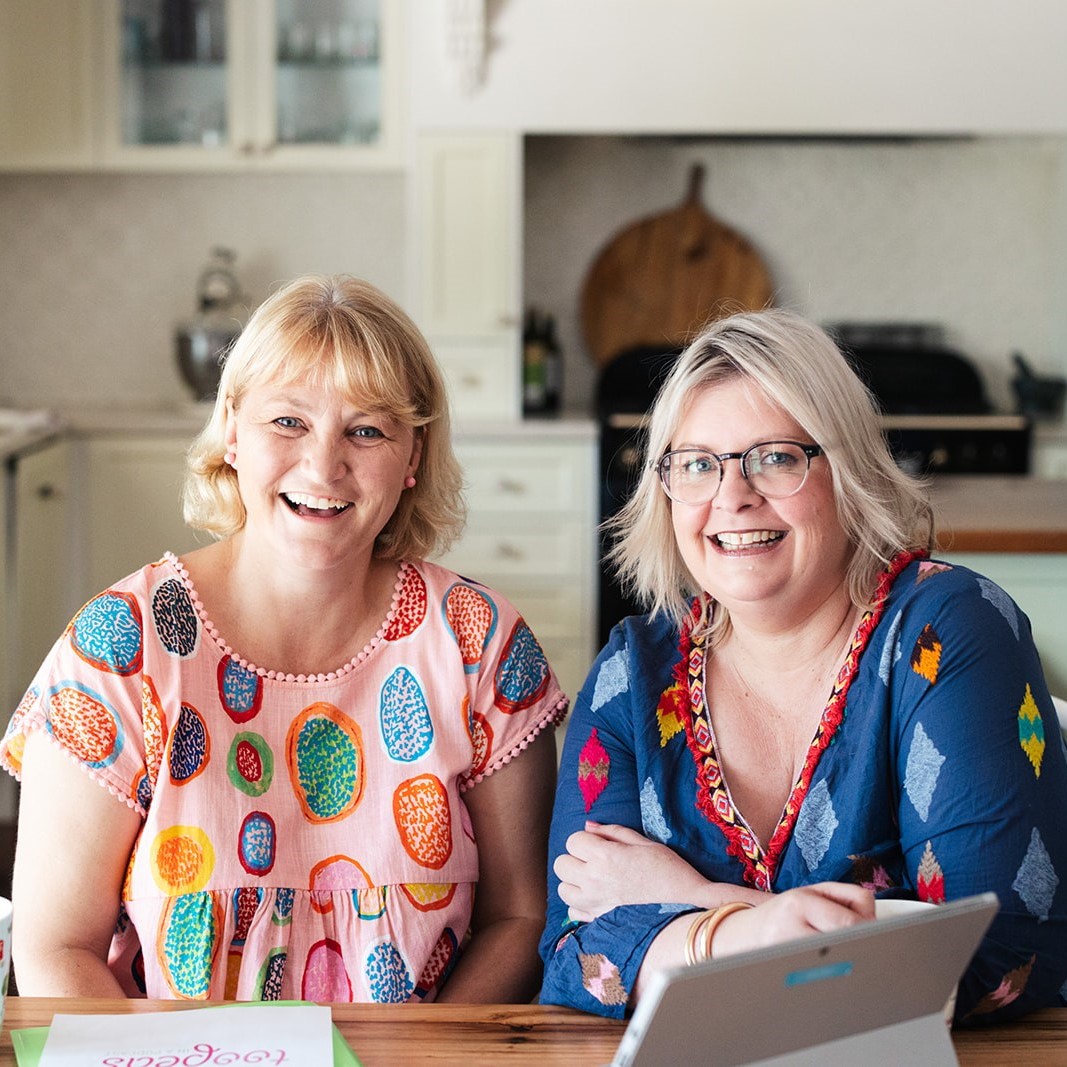
Kate & Mandy
Too Peas in a Podcast

1545 – 1600 2022 Wrap-up & Handover
Conference Close
Categories